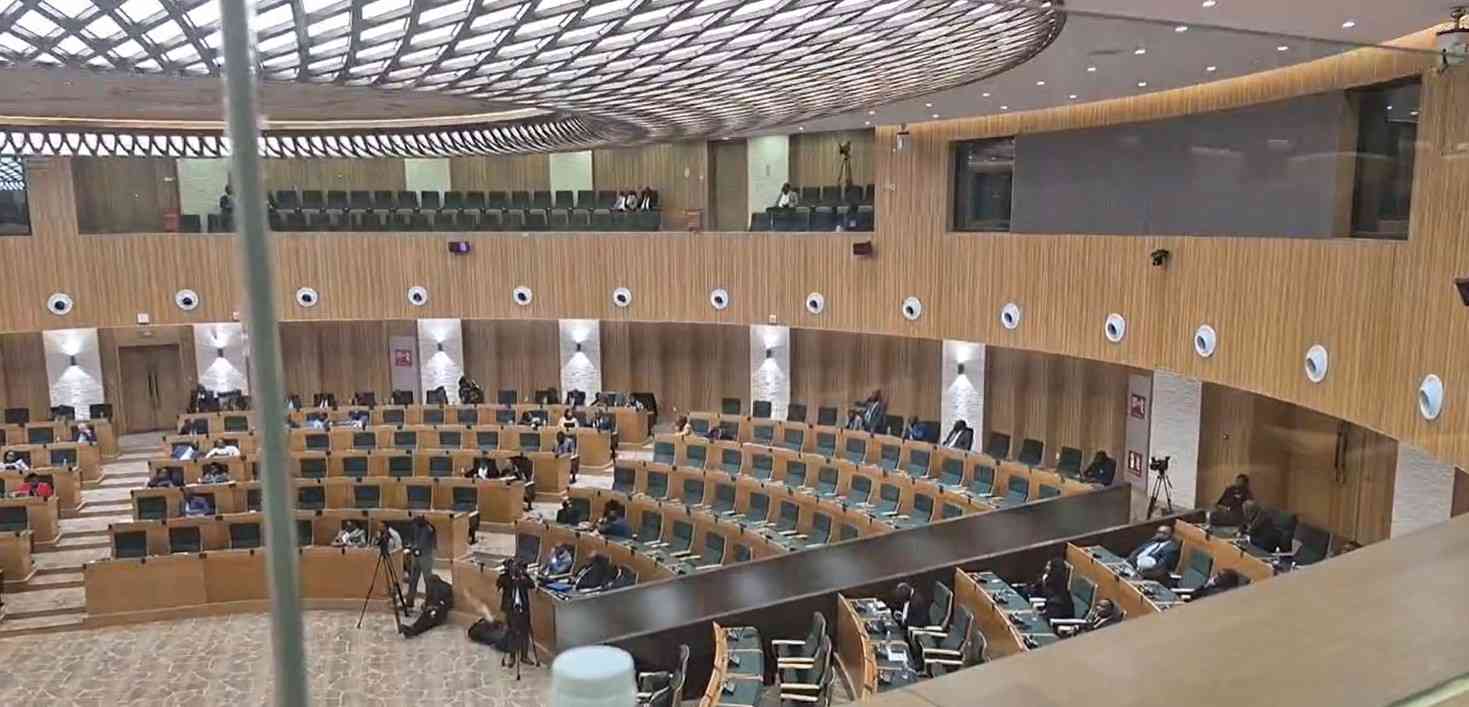
CONSTITUTION Amendment No 3 Bill (CAB 3) has reached a critical stage in Parliament. Here is a breakdown of what happens next.
What stage is the Bill at?
The Bill is still at the second reading stage in the National Assembly. This is the stage where MPs debate the principles, objectives and overall merits of the proposed constitutional amendment.
When Parliament adjourned on Friday, debate had not been completed and will continue today.
Is the Bill being prioritised?
The National Assembly has suspended standing orders to ensure CAB 3 takes precedence over all other business. MPs are, therefore, expected to continue debating the Bill when business resumes in the House on today until a vote is taken.
What happens if the Bill secures enough support?
If the Bill receives the constitutionally-required support, it will proceed to the committee stage, where MPs consider the legislation clause by clause and may propose amendments.
- ED’s influence will take generations to erase
- ‘Govt spineless on wetland land barons’
- Govt under attack over banks lending ban
- Zim Constitution must be amended
Keep Reading
The National Assembly is expected to move directly to the committee stage after concluding the second reading.
What happens during the committee stage?
Lawmakers scrutinise each provision of the Bill and may propose changes. Any amendments must be approved before the Bill can proceed.
What comes after the committee stage?
The Bill then moves to third reading, which is the final stage in the National Assembly.
If approved, the Bill will have completed its passage through the lower House.
How many votes does CAB 3 need?
Because CAB 3 seeks to amend the Constitution, it requires support from at least two-thirds of the total membership of the National Assembly.
This means supporters must secure the votes of two-thirds of all MPs, not merely two-thirds of those present in the chamber.
Why is this threshold important?
Constitutional amendments face stricter requirements than ordinary legislation because they seek to alter the country's supreme law.
Failure to secure the required supermajority will result in the stoppage of the Bill from progressing, regardless of the support expressed during debate.
What happens if the National Assembly passes CAB 3?
Passage by the National Assembly does not automatically make the Bill law.
Senate approval
The Bill must be considered and passed by the Senate. Like the National Assembly, the Senate must approve the constitutional amendment by a two-thirds majority.
Presidential assent
If both Houses approve the Bill, it is remitted to the President for assent. Once signed and published in the Government Gazette, it becomes part of the Constitution.
Possible court challenges
Even after parliamentary approval and presidential assent, opponents can challenge aspects of the amendment in court. Legal challenges could focus on whether certain provisions require a referendum or whether constitutional procedures were properly followed.
What should Zimbabweans watch out for?
The key question is whether CAB 3 can secure the constitutionally-required supermajority in both Houses of Parliament.
Passage in the National Assembly will be a major milestone, but Senate approval, presidential assent and any subsequent legal challenges could still determine the Bill's ultimate fate.