
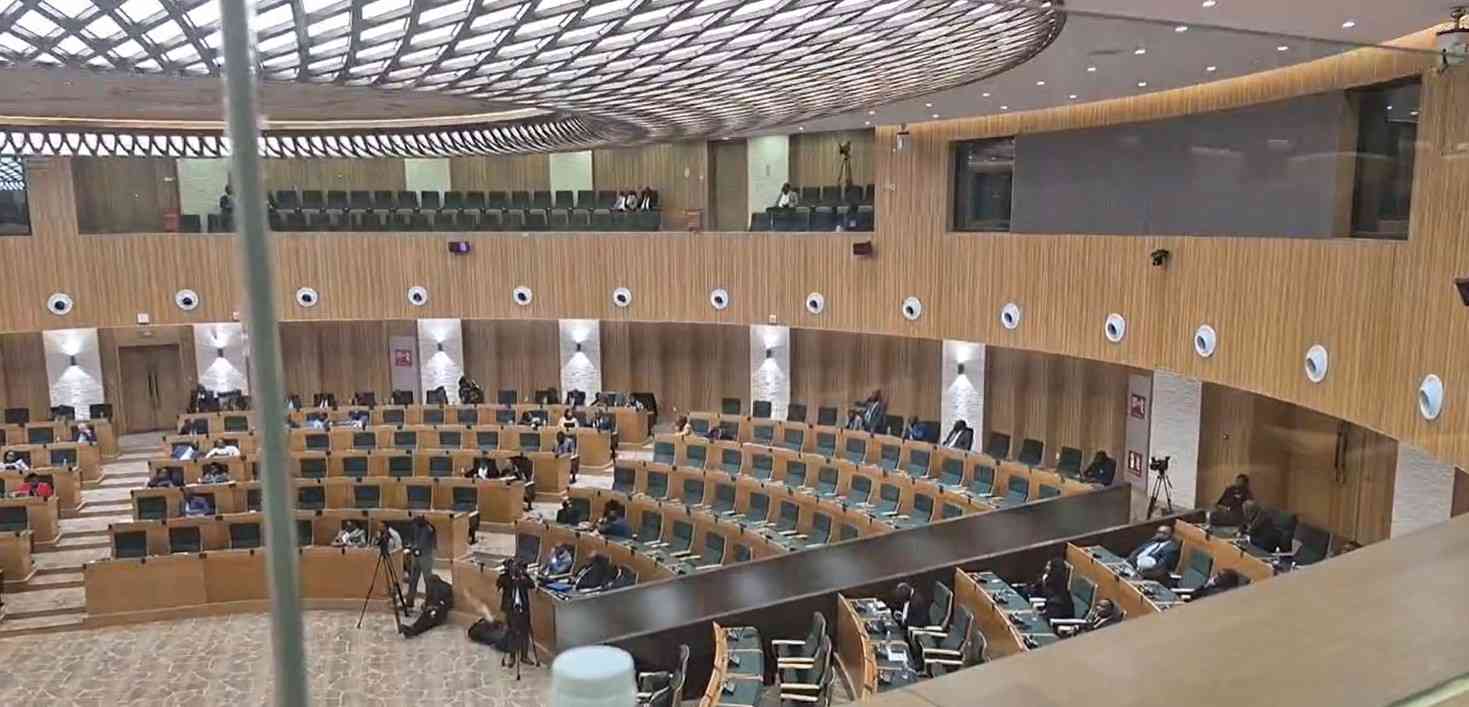
The Bill is still at the second reading stage in the National Assembly. This is the stage where MPs debate the principles, objectives and overall merits of the proposed constitutional amendment.





















India’s Vision of the Indo-Pacific.
Sponsored Content
Global Recycling Day: A call to action for a sustainable future
Sponsored Content
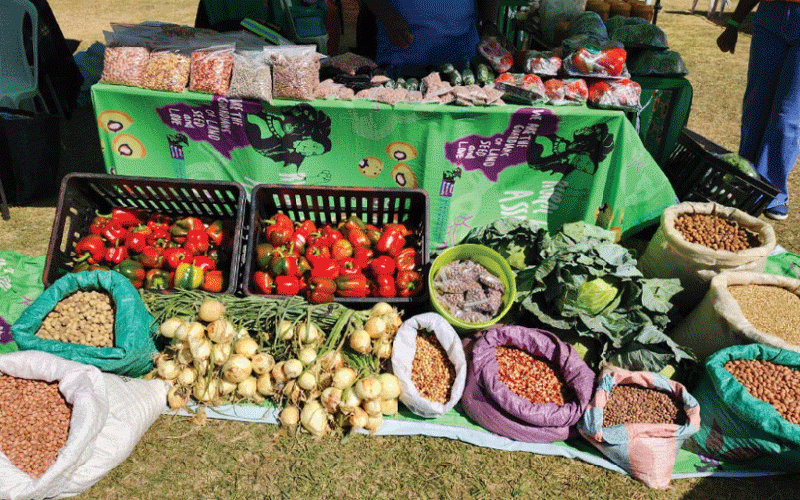
Agric, innovation and empowerment shine at WIFE festival
A key highlight was the Food for Life Indaba, which used Forum Theatre to explore challenges women farmers face, from access to land and markets to economic opportunities.
By Tendai Sauta
Jun. 6, 2026
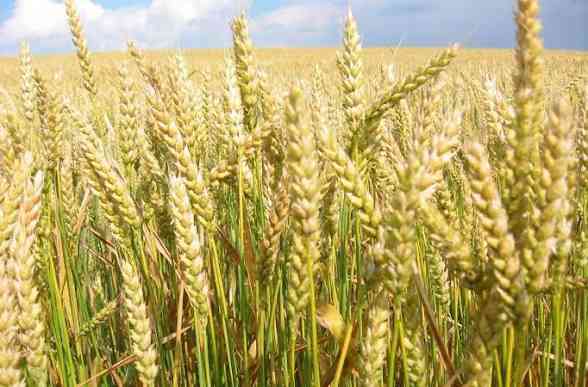
Government extends winter wheat planting deadline
By Donald Nyandoro
Jun. 3, 2026

ZMX sees rising confidence as trades hit US$1,28m
By Blessed Ndlovu
May. 14, 2026
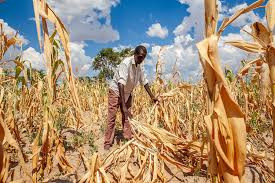

Foreign military attachés tour ARDA projects, hail Zimbabwe’s agricultural push
By Farming Reporter
Apr. 21, 2026
2026 March rains revive some Zim crop conditions
By Farming Reporter
Apr. 16, 2026
300K Zim farmers to benefit from chilli production
By Jairos Saunyama
Apr. 9, 2026
Disi Farm: Agriculture, care and poverty in Zim
By The Borgen Project
Apr. 9, 2026

Give Tembo the job and trust the process
By Newsday
Jun. 3, 2026
Lawmakers must put Zimbabwe first on CAB 3
By Newsday
Jun. 2, 2026
Harare must fix the basics before chasing buses
By Newsday
Jun. 1, 2026





ZSE gets approval for SME-focused exchange
By Boitumelo Makhurane
Jun. 5, 2026

Afreximbank names Olowononi Southern Africa chief
By Business Reporter
Jun. 5, 2026



.
Opinion







By NewsDay
May. 13, 2026

By NewsDay
May. 6, 2026

By NewsDay
Apr. 24, 2026

By NewsDay
Apr. 20, 2026

By NewsDay
Mar. 17, 2026

By NewsDay
Mar. 2, 2026

By NewsDay
Dec. 28, 2025

By NewsDay
Dec. 15, 2025

By NewsDay
Dec. 12, 2025

By NewsDay
Nov. 14, 2025

By NewsDay
Aug. 19, 2025

By NewsDay
Jul. 30, 2025
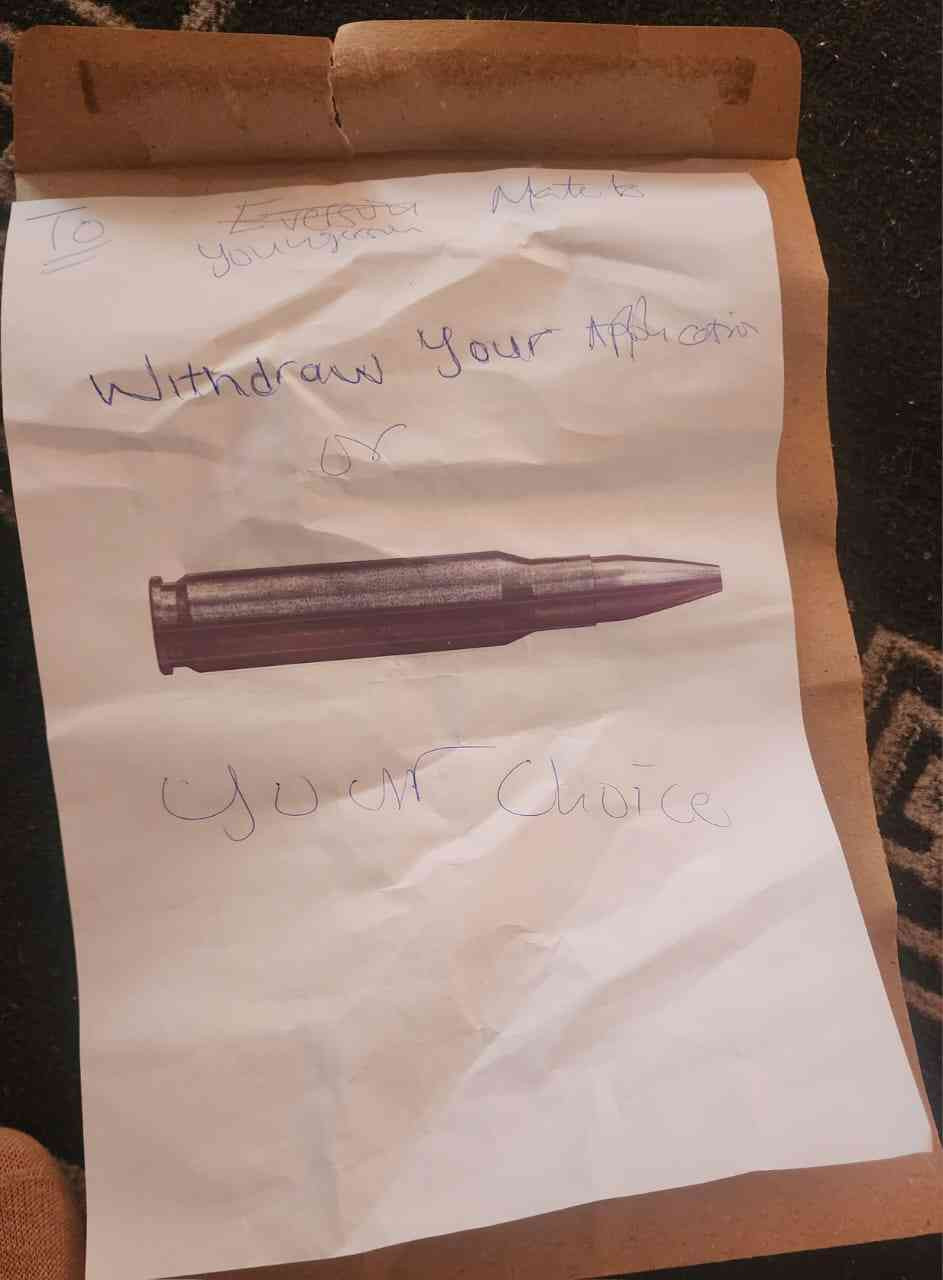
Political tensions at grasslands plots lead to violent attacks and forced eviction
A neighboring plot owner, speaking under condition of anonymity, disclosed the aftermath of Ocean's appearance at the rally.
By Staff Reporter
Sep. 17, 2025

VFEX stability masks underlying value
The ZSE has continued on as it left off in 2024 — slowly declining. This will continue while there is little to no ZiG liquidity.
By Imara Asset Management
Jan. 31, 2025
NewsDay cartoon 28 November, 2023 edition
By The Watcher
Nov. 28, 2023
Govt urges unity among lithium miners
By Mthandazo Nyoni
Jun. 1, 2023
Over 130 civilians killed by DR Congo rebels - UN
By BBC News
Dec. 8, 2022
Opaque Chinese deals: Mthuli taken to task
By admin
Aug. 29, 2022
Power outages, raw material shortages hit ART operations
In a financial update for the third quarter to June 2022, the manufacturer said the exports and paper divisions volumes declined by 6% and 26%, respectively.
By The NewsDay
Aug. 17, 2022
Zanu PF likely to ambush Zim towards referendum

Participants expressed frustration over lack of accessible simplified information about the Bill, noting that many Zimbabweans remain unaware of its content and implications.
By AMH Voices
Apr. 2, 2026

War vets hit Mnangagwa again
The case relies heavily on Section 328(7) of the constitution, which prohibits any term-limit extensions from directly benefiting the current officeholder.
By Sydney Kawadza
Jun. 7, 2026
Premium
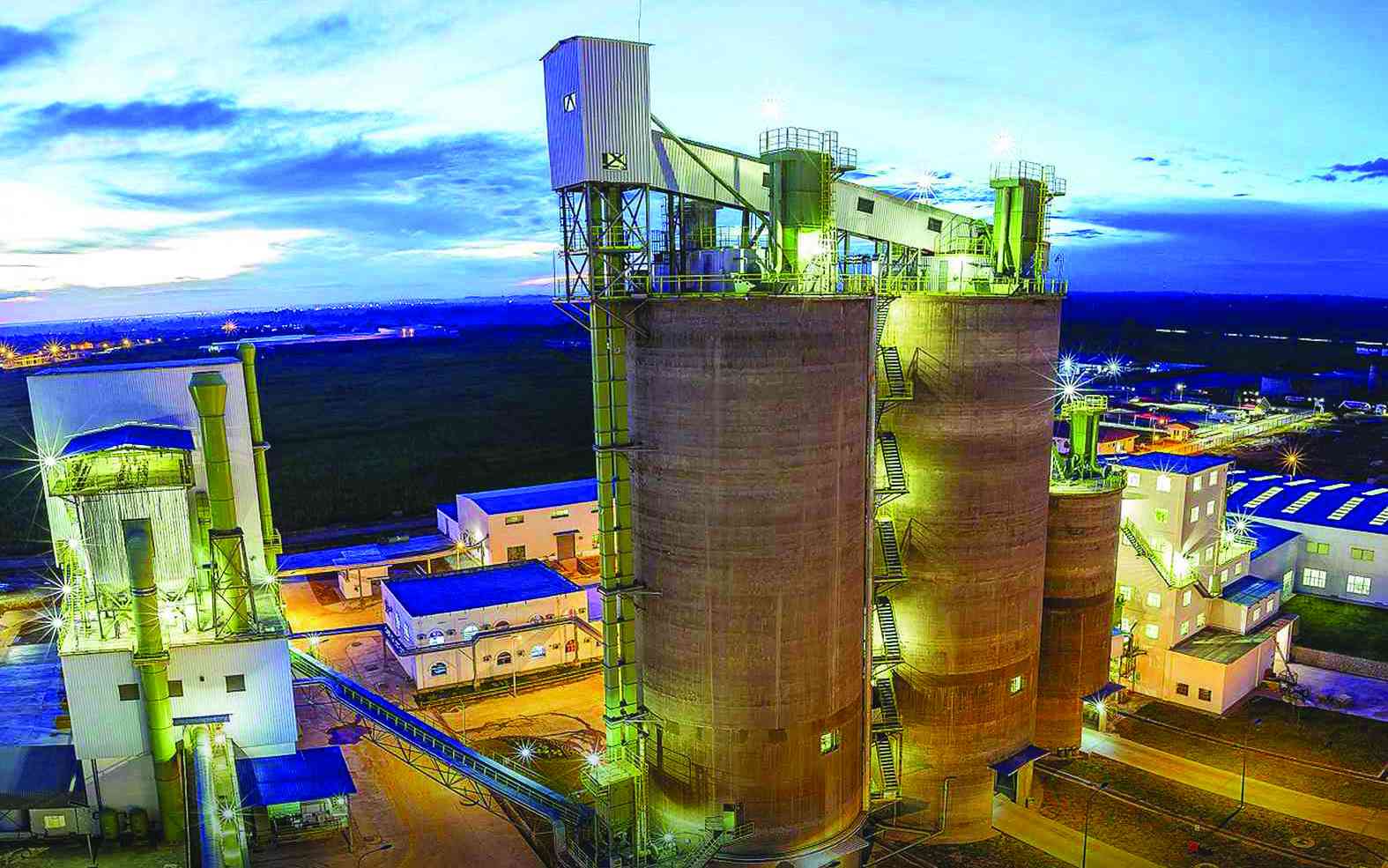
National Foods invests US$25m in local milling
By Blessed Ndlovu and CONCILIA MUPEZENI
Jun. 7, 2026
Feli Nandi bows to Bulawayo demand
By Style Reporter
Jun. 7, 2026
LSU opens facilities to boost Mat North pass rates
The initiative comes as government intensifies efforts to address persistently low pass rates and instances of zero-percent pass rates recorded at some schools in Matabeleland
By Staff Reporter
4h ago
BCC approves board for water utility
By Staff Reporter
Jun. 8, 2026
Mpilo begins installing new cancer treatment machine
By Patricia Sibanda
Jun. 8, 2026
Zimbabwe’s lithium gamble: Leverage, risk and a reordering of the Chinese supply chain

The China-Zimbabwe lithium relationship is mutually beneficial but structurally unequal.
By Staff Reporter
17h ago






GET OUR NEWSLETTER
Subscribe to our newsletter and stay updated on the latest developments and special offers!
CONNECT WITH US




SUPPORT INDEPENDENT JOURNALISM
